

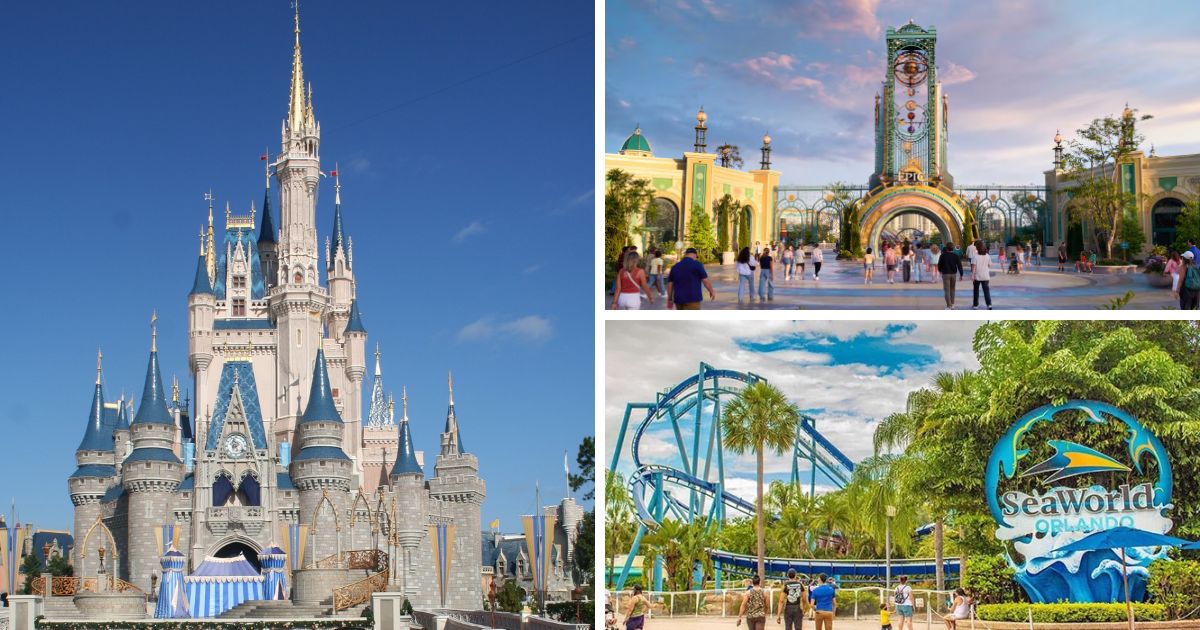
The Scoop: Orlando’s major theme parks are experiencing a noticeable summer attendance slowdown in 2026. Universal, Disney, and SeaWorld have all reported softer crowd levels and lowered revenue expectations. The industry blames a combination of extreme Florida heat, high gas prices, a slump in international travel, and shifting consumer sentiment.
Availability: Summer 2026 (Orlando, Florida)

Orlando’s theme park industry just had a rare and unscripted moment of honesty. This time it is not confined to one single company. Universal, Disney, and SeaWorld’s parent company have all acknowledged softer than hoped attendance at various points in 2026.
Put their statements side by side and a genuinely interesting story emerges. The current reality is one part Universal Epic Universe competition, one part economy, and one part actual extreme weather.
Universal Admits Orlando Is Softening

On Thursday, July 23, 2026, Comcast held its second-quarter earnings call. The company delivered a mixed message about Universal Orlando Resort. Universal Epic Universe opened in May 2025 and is still pulling massive crowds, but almost everything around it has cooled off.
Co-CEO Mike Cavanagh did not sugarcoat it for investors. He stated that conditions had deteriorated faster than the company expected. He drew a sharp line between Universal Epic Universe and the broader Orlando market, where attendance began weakening in June and stayed weak into the third quarter.
CFO Jason Armstrong added that Universal Studios Japan in Osaka remained the bigger drag on profitability. This was attributed to ongoing China related travel restrictions. U.S. parks including Orlando still grew, but not as much as the company had modeled because the June slowdown never let up.
Comcast’s Theme Parks segment posted $2.413 billion in revenue for the quarter ending June 30, 2026. That is up 2.7% year over year, largely thanks to Universal Epic Universe. However, adjusted EBITDA for the division fell to $609 million, a 5.1% decline from a year earlier, which Comcast attributed to a 5.7% jump in operating expenses.
More people spent money overall, but it cost more to bring in less profit per dollar. Cavanagh floated two explanations framed as temporary: rising fuel costs and general softness in consumer sentiment. The weakness is showing up almost entirely in how many people are showing up, as Universal wait times have slightly dipped.
Disney’s Version of the Same Story

Disney does not release attendance figures the way Comcast does. However, its own commentary this year tells a strikingly similar tale that started even earlier. Back in the fiscal Q1 2026 call, executives already flagged trouble ahead by warning of attendance headwinds tied partly to softer international visitation.
By the Q2 FY2026 call on May 6, 2026, the numbers had caught up with the warning. Domestic park attendance covering Walt Disney World and Disneyland was down 1% year over year. Overall Experiences revenue still hit a record on the strength of higher guest spending and cruise growth.
CFO Hugh Johnston acknowledged the company was still working through Universal Epic Universe related headwinds alongside the international travel slump. He expects both pressures to ease as Disney’s results begin lapping the comparable quarters from the 2025 launch year. That is a meaningful admission compared to May 2025 when Johnston told investors he expected the new park to be generally beneficial.
Independent tracking of Disney World wait times this summer has told a more mixed story. Some services report average waits running well below last year’s levels. Disney’s official Q3 FY2026 results covering the summer quarter are due out August 5, 2026.
SeaWorld and Busch Gardens: A Rockier Stretch
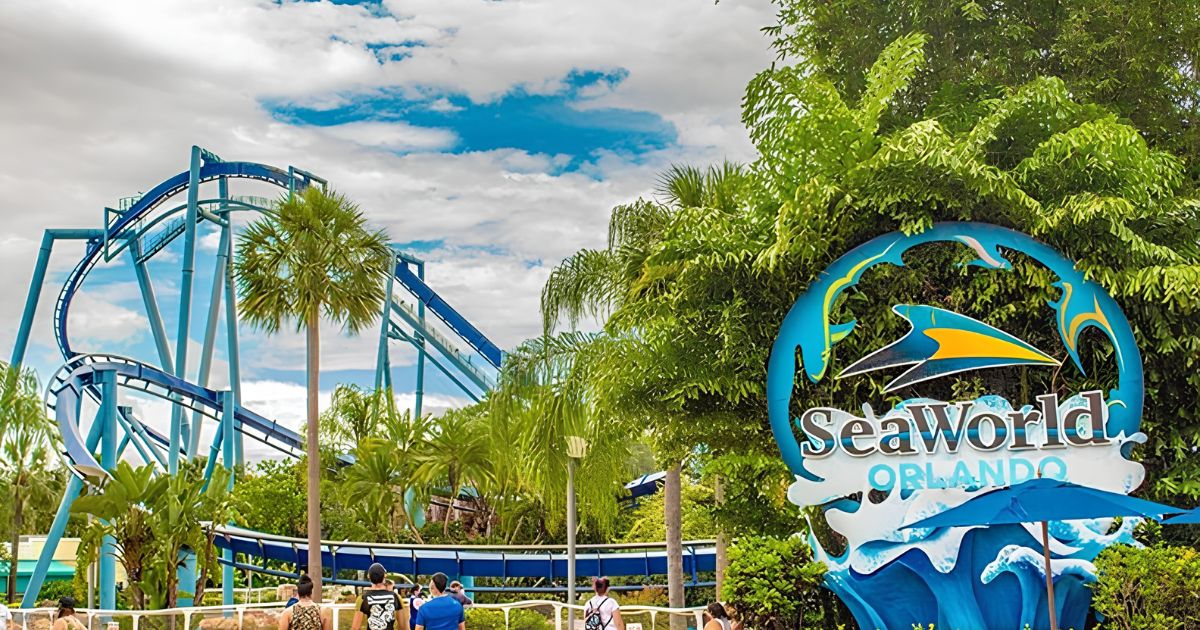
The most consistently weak numbers this year have come from United Parks & Resorts. This is the owner of SeaWorld Orlando, Busch Gardens Tampa, Aquatica, and Discovery Cove.
Their Q1 2026 results reported on May 11, 2026 showed attendance across its parks falling to 3.2 million guests. This is down roughly 171,000 from the same quarter in 2025, which is about a 5% decline. Revenue dropped to $278.3 million, adjusted EBITDA fell to $58 million, and the company’s net loss more than doubled to $34.1 million.
CEO Marc Swanson cited poor conditions in Florida and Texas during their peak spring break windows, plus roughly 80,000 fewer international visitors. This is a recurring theme, as SeaWorld wait times have also reflected lower foot traffic.
Why Is This Happening? Weighing the Theories
Three explanations keep coming up across these earnings calls. The honest answer is probably that they are overlapping rather than competing.
| Market Theory | The Evidence | Overall Impact |
|---|---|---|
| Universal Epic Universe Pulling Business | Disney’s CFO acknowledged Epic related headwinds. Universal restricted ticketing during year one to protect older parks. | A stronger Orlando draws more visitors overall, but some existing visits were undoubtedly pulled from older gates. |
| Extreme Florida Heat | A heat dome in July pushed heat index values to 105 to 112 degrees, leading to widespread heat advisories. | Extreme weather makes outdoor parks miserable to walk around, leading families to delay or cancel visits. |
| Economy and Gas Prices | The national average price of gas climbed from around $3.16 a year ago to roughly $4.10 now. | Higher fuel costs raise the price of a road trip before a family even buys a park ticket, hurting regional drive-in visitors. |
There is a fourth factor tying all of this together that is easy to overlook. A persistent slump in international visitation has impacted all of these companies across multiple quarters. That headwind may be doing as much quiet damage as any single dramatic cause.
What Nobody Is Slowing Down
Despite the soft numbers, none of the three operators are pulling back on investment. Universal is pressing ahead with Fast & Furious: Hollywood Drift, a new coaster expected in 2027 at Universal Studios Florida.
United Parks has SEAQuest: Legends of the Deep and a reimagined Expedition Odyssey on the way at SeaWorld Orlando. Disney is in the middle of a multi-year $60 billion investment across its parks and cruise business.
Every company involved is describing this as temporary. A convergence of bad weather, high gas prices, and a slow patch in international travel should ease as the year goes on. Disney’s Q3 FY2026 results on August 5, 2026 should offer the clearest read yet on whether Orlando’s slowdown is genuinely passing.
Frequently Asked Questions
Why is theme park attendance down in Orlando this summer?
Orlando theme parks are seeing lower attendance due to extreme heat, high gas prices averaging $4.10 per gallon, and fewer international travelers.
Is Universal Epic Universe taking crowds from Disney World?
Walt Disney World executives acknowledged that Universal Epic Universe has created some near term competitive headwinds, though they expect it to benefit Orlando long term.
When will Disney report its next earnings?
The Walt Disney Company is scheduled to report its Q3 FY2026 earnings on August 5, 2026.
Rumor Radar
Universal is currently demolishing the Lost Continent area at Islands of Adventure to make way for a yet unannounced land. While the company has officially remained silent on the replacement, industry speculation suggests it could involve a major high fantasy expansion or interactive experience.
Follow the OPEN News Desk on X (Twitter) for real-time updates and more insider guides!