

Fast Facts
- Location: Magic Kingdom Park, Walt Disney World Resort
- The Paperwork: Operations Directive 2026-STROLL
- Status: Active Crowd Logistics Review
- Verified By: Managing Editor
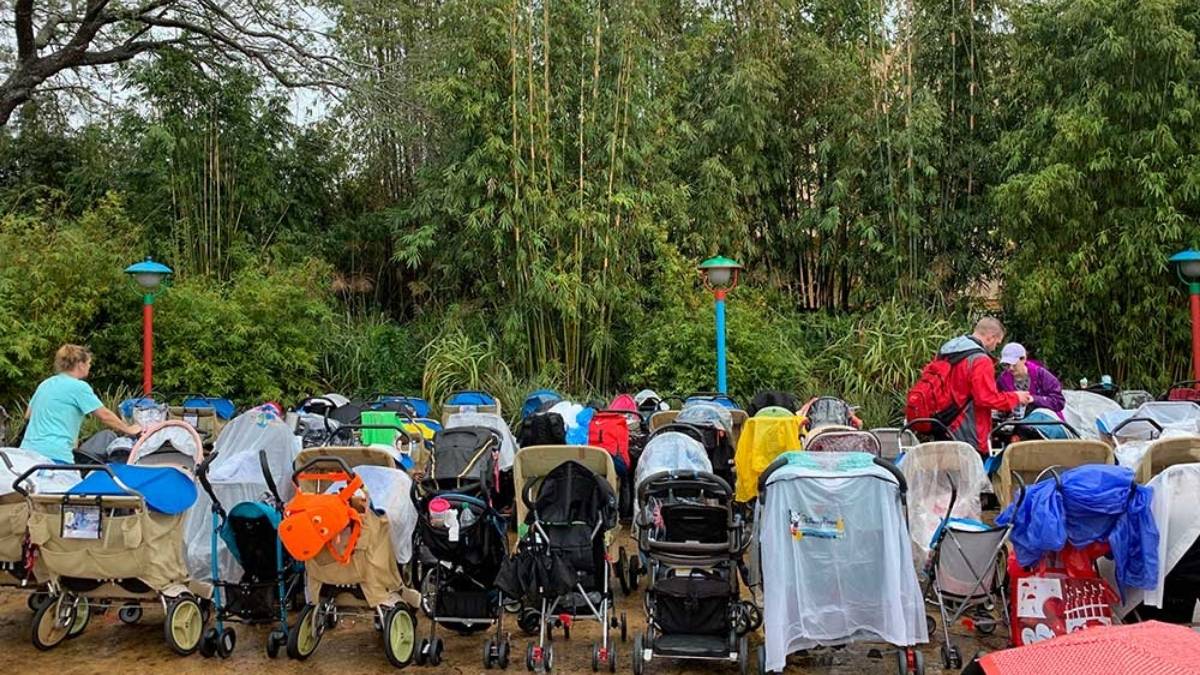
OPEN Brief: As summer guest capacity surges across Central Florida, theme park operations teams are deploying emergency walkway management protocols to combat an influx of oversized strollers. This logistics analysis breaks down the physical walkway crisis at Magic Kingdom Park and the reality of gate enforcement in July 2026.
Anatomy of the Walkway Gridlock
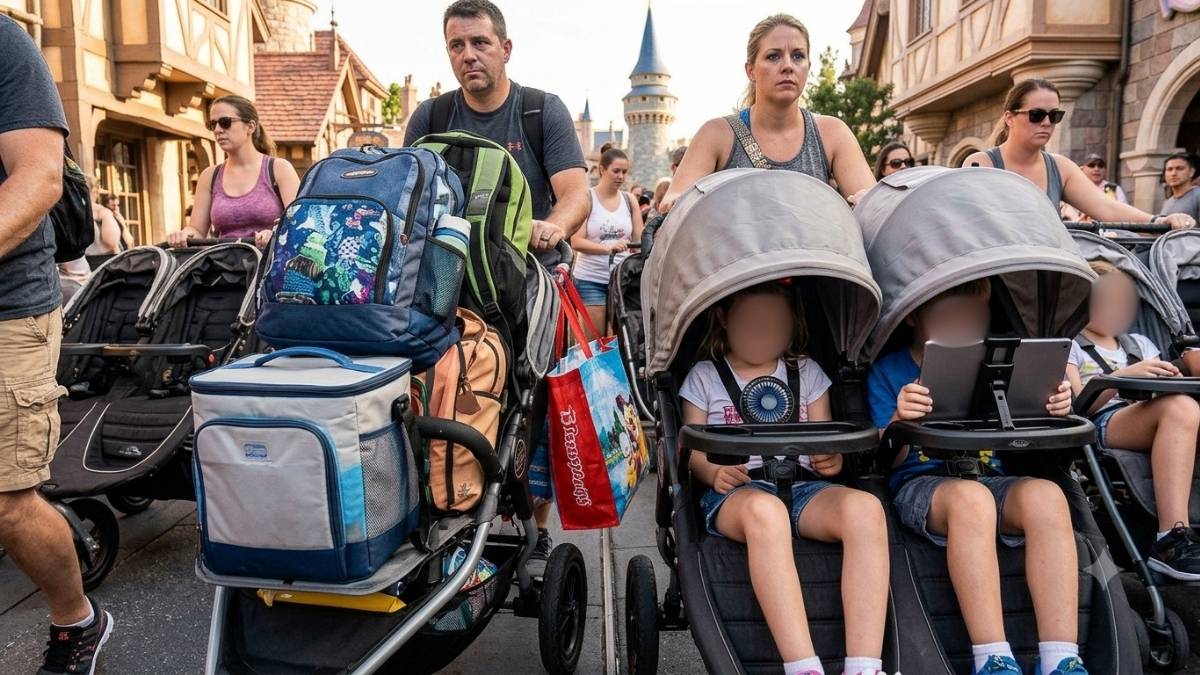
Every seasoned park-hopper executing a flawless morning rope-drop strategy understands the raw physical toll of a Central Florida vacation. On any given afternoon, an average family logs anywhere from 7 to 10 miles of continuous walking across unforgiving asphalt and concrete. For a toddler, a stroller is not a luxury item: it is a vital piece of survival equipment required to prevent an absolute operational meltdown before the evening fireworks. However, if you step away from the corporate magic to closely observe the high-traffic bottlenecks surrounding any major E-ticket attraction, it becomes obvious that the physical infrastructure is visibly buckling under a massive fleet of heavy-duty cargo haulers. To keep up with the latest operational changes across the property, checking the latest updates on Disney World News is essential for mapping out your day.

The modern crowd logistics crisis does not stem from basic canvas umbrella setups or compact travel gear. The immediate bottleneck is driven by the rise of the Pack Mule phenomenon, where a staggering percentage of the strollers navigating tight choke points are completely empty of children. Instead, these mobile units are piled high with multiple giant backpacks, heavy coolers, and layers of merchandise bags. Because carrying 20 pounds of gear in the Florida humidity is exhausting, the stroller has been repurposed into a rolling luggage cart. The core issue is simple geometry: an empty stroller occupies the exact same physical footprint on a crowded walkway as one carrying a child, artificially doubling pedestrian gridlock in high-density areas. These logistics directly impact guest flow and can cause sudden spikes in overall Disney Park wait times when main thoroughfares stall completely.
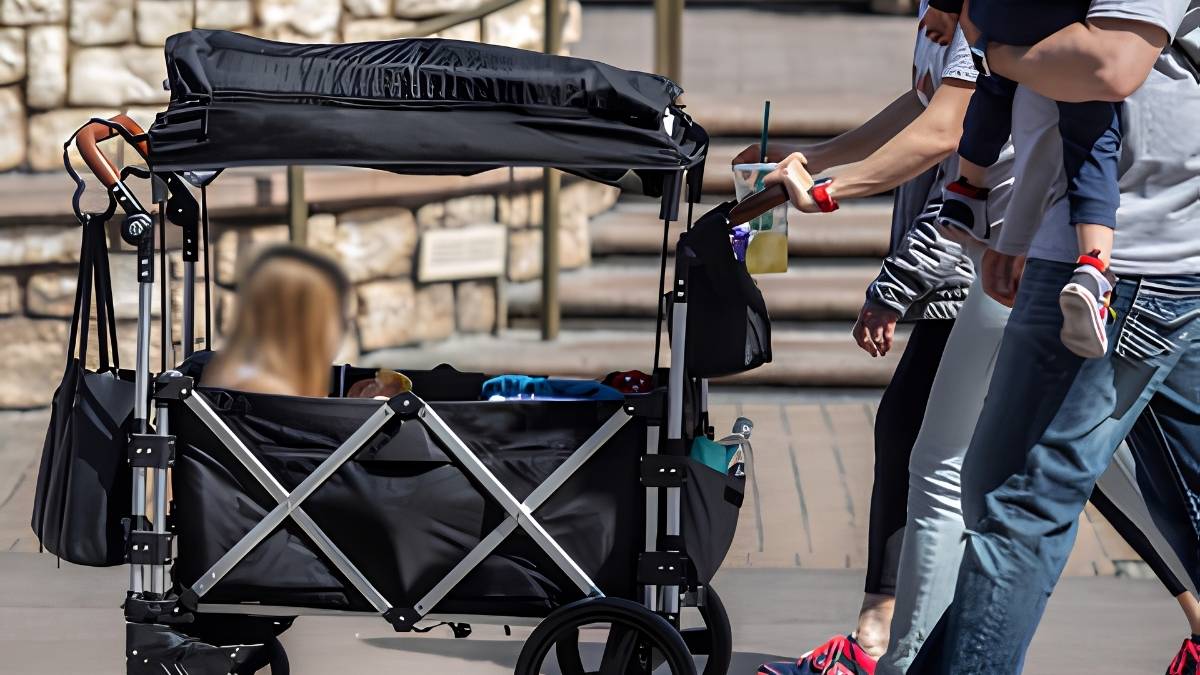
Frontline security teams took a massive step forward in May 2019 by officially banning traditional pull-wagons and large stroller-wagons from entering the gates. Yet, premium multi-child rigs kitted out with clip-on entertainment tablets, battery-powered cooling fans, and extended sun-canopies continue to push the absolute legal maximum property dimensions of 31 inches wide and 52 inches long. When a child is isolated in an iPad cocoon inside a massive rolling playpen, the vehicle ceases to be a transit tool: it becomes personal real estate blocking public infrastructure.
| Stroller Class | Maximum Dimension Limits | Official Weight Capacity | Operational Restrictions |
|---|---|---|---|
| In-Park Single Rental | Standard molded plastic | Up to 50 pounds | Must remain inside park turnstiles |
| In-Park Double Rental | Side-by-side molded plastic | Up to 100 pounds | Must remain inside park turnstiles |
| Personal Strollers | Must fit 31″ x 52″ box | Varies by manufacturer | Audited at front-gate security lines |
| Wagons & Stroller-Wagons | Prohibited completely | N/A | Banned from property since May 2019 |
The Frontline Reality of Stroller Tetris
The classic core areas of Magic Kingdom Park were fundamentally not designed to handle the sheer volume or physical scale of modern premium strollers. Built in an era when strollers were tiny canvas umbrella pieces, the current park landscape requires an incredible amount of manual labor just to keep paths clear. Walk past the Prince Regal Carrousel or any major Fantasyland show building and you will see a small army of Cast Members engaged in a never-ending game of Stroller Tetris. They spend their entire shifts shifting, aligning, locking, and moving hundreds of parked strollers to ensure fire lanes remain open and sudden mass evacuations do not turn into catastrophic tripping hazards. Tracking these intense logistics is a standard part of staying updated with breaking Magic Kingdom News.
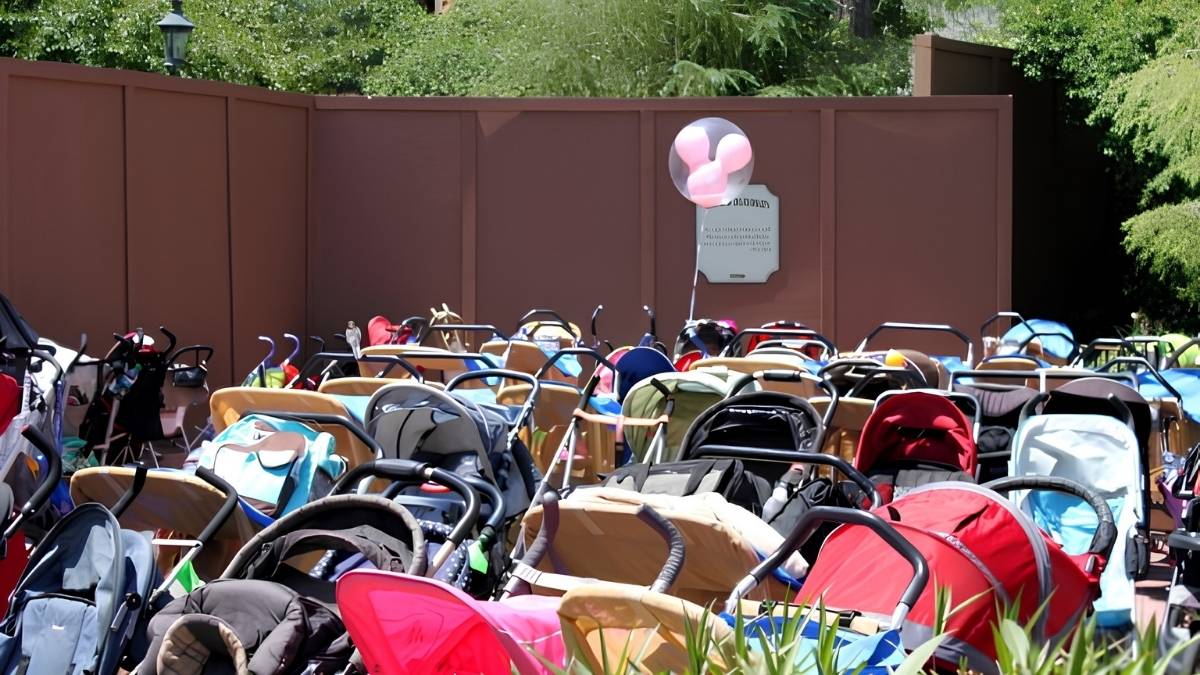
When pedestrian frustrations boil over, the immediate reaction is often to demand a strict age limit. However, implementing an age cap creates an operational nightmare. Forcing front-gate entry teams to audit birth certificates or question parents during the morning rush would cause entry lines to back up deep into the parking lots. Furthermore, Disney actively capitalizes on the older-child demographic. By offering official in-park double rentals explicitly rated for children up to 100 pounds, the resort acknowledges that keeping an exhausted six-year-old off their feet keeps families in the park longer, directly driving food, beverage, and merchandise sales. Finally, a blanket age cutoff completely ignores the realities of guests traveling with neurodivergent children or those with hidden mobility challenges who rely on a stroller as a vital sensory decompression chamber.
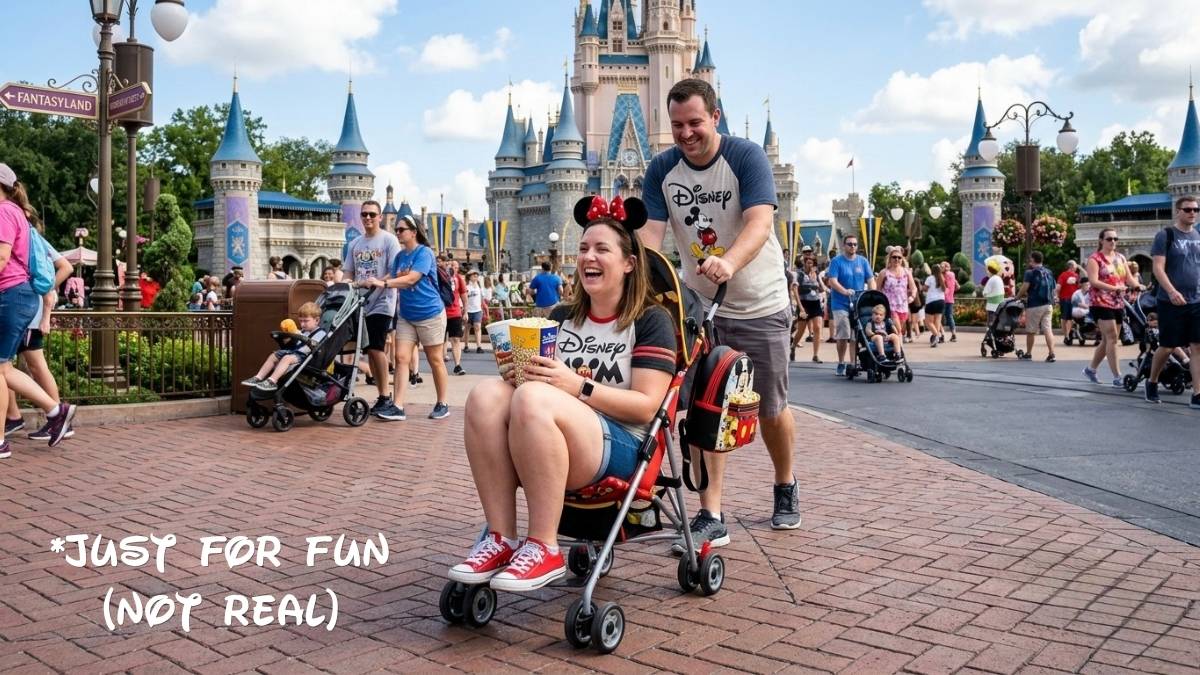
The real solution requires shifting the focus away from the child’s age and placing it strictly on the dimensions of the asset. Disney must hard-enforce its existing rules by placing rigid, airline-style measuring boxes at every single security screening lane. If a premium double stroller cannot physically slide into the legal 31″ x 52″ template box, it does not cross the security perimeter. Additionally, park operations should implement a strict empty stroller parking directive. If a family chooses to use their stroller strictly as a shopping cart while their children walk, that rig must be redirected immediately to a designated parking lot rather than being used to bulldoze through the tight, indoor layout of the Emporium retail shops on Main Street, U.S.A.
Frequently Asked Questions
What are the maximum stroller dimensions allowed inside Walt Disney World Resort theme parks?
Walt Disney World Resort property guidelines state that all personal and rental strollers must be no larger than 31 inches wide and 52 inches long, with all traditional pull-wagons and stroller-wagon hybrids completely prohibited.
Why does not Walt Disney World Resort ban strollers for older children to clear the walkways?
Walt Disney World Resort avoids age limits due to front-gate entry bottlenecks, the necessity of accommodating children with hidden medical or sensory disabilities, and the revenue advantages of keeping families in the parks longer using official rentals rated up to 100 pounds.
Rumor Radar: Future Infrastructure Shockwaves
With massive upcoming park expansions on the horizon, crowd flow optimization is more critical than ever. Whispers surrounding the massive Space Mountain Magic Kingdom overhaul rumor suggest that Tomorrowland walkways will face significant temporary construction walls, narrowing pedestrian lanes even further. Furthermore, early speculation from the highly anticipated Magic Kingdom Piston Peak Villains Land update 2026 indicates that future expansion plots must design massive dedicated stroller fields from day one to avoid repeating Fantasyland’s design flaws. Industry insiders whisper that Disney may even experiment with mandatory RFID tracking tags on all rentals to flag vehicles left out of bounds for more than 15 minutes.
Looking Ahead
Managing the physical flow of pedestrian traffic will remain a critical metric for guest satisfaction across Central Florida. To protect the integrity of the park experience, Disney must transition toward uniform, objective enforcement of its dimension boundaries at the security turnstiles. As regional competition prepares to shift with the upcoming debut of Universal Epic Universe, optimization of crowd dynamics and walkway capacity will separate seamless vacation destinations from chaotic, wheel-dodging tests of patience. Frontline operational changes will be tracked closely as peak seasonal attendance windows approach.
Follow the OPEN News Desk on X (Twitter) for real-time updates and structural tracking matrices.