
Fast Facts
- What: A U.S. patent application titled “Techniques for Automatically Monitoring Animal Behaviors and Generating Notifications,” published September 24, 2026
- Status: Published by the U.S. Patent and Trademark Office but not yet granted
- Tech: Fixed cameras, vehicle-mounted sensors, and drones paired with a machine learning model
- Alerts: Could reach guest smartphones, tablets, and RFID wristbands such as MagicBands
- Ride Impact: Could flag animals blocking the road on Kilimanjaro Safaris
- Filed By: Three named inventors; not confirmed as a direct Disney filing
OPEN Brief: If you want the verified facts behind the new patent application that could bring AI-powered animal alerts to Kilimanjaro Safaris at Disney’s Animal Kingdom, this OPEN guide lays out exactly what the filing says and what it does not confirm. The U.S. Patent and Trademark Office published the application, titled “Techniques for Automatically Monitoring Animal Behaviors and Generating Notifications,” on September 24, 2026. The filing describes cameras mounted on safari trucks, fixed posts, and drones that feed a machine learning system built to spot animal behavior and send alerts. The application has been published but not granted, and no habitat, timeline, or Disney confirmation has been announced.
What Is Disney’s New Animal Monitoring Patent?
Disney’s new animal monitoring patent is a published U.S. filing for an AI-driven camera and alert system.
The U.S. Patent and Trademark Office published the filing on September 24, 2026. The application remains published, not granted, so none of the technology is confirmed for any park. Three inventors are listed on the filing: Jeremy Eaton of Winter Garden, Florida, and California residents Ching-Chien Chen and Isabelle Victoria Wang. The filing’s abstract describes a machine learning model that processes images to identify animals or their behaviors, then sends a notification to a device based on what it finds.
The application does not name Disney’s Animal Kingdom directly, but its language lines up closely with attractions like Kilimanjaro Safaris and devices like MagicBands. That overlap is why theme park trackers connected the filing to Walt Disney World within hours of publication. OPEN keeps a running file on Disney’s Animal Kingdom for every operational change at the park.
How Would Disney’s Animal Monitoring Cameras Work at Animal Kingdom?
Disney’s animal monitoring cameras would combine fixed posts, vehicle sensors, and drones to scan for wildlife activity.
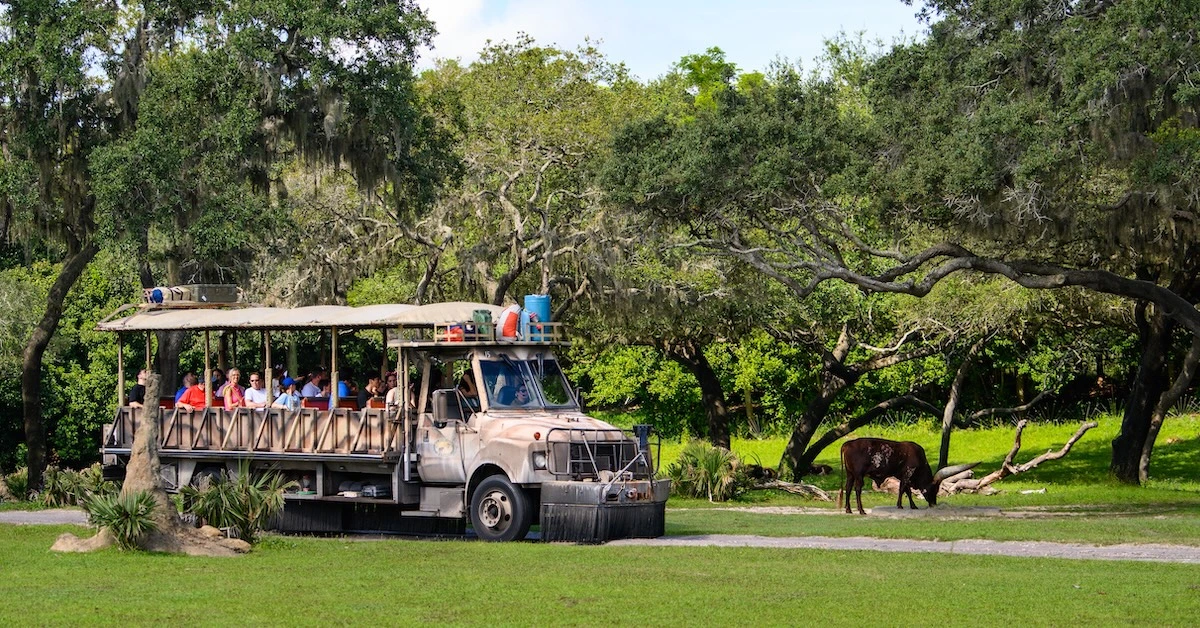
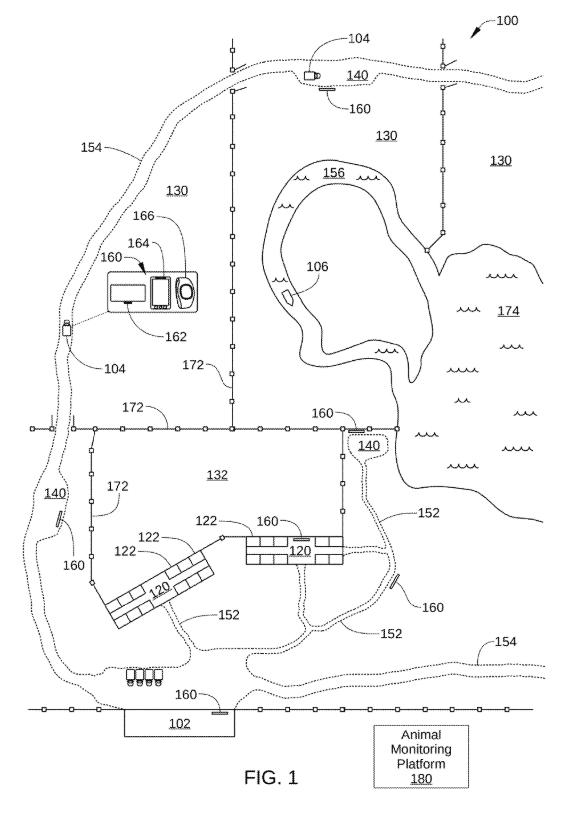
The patent describes cameras placed throughout an animal encounter facility rather than relying on one fixed angle. Sensors would also ride on safari vehicles to capture ground-level views along the route. Drones would add coverage over herds grazing behind brush or rock formations, where a truck-mounted camera cannot see. A trained machine learning model would process that footage to identify which animals are present and what they are doing.
For a two-lane dirt track like the one on Kilimanjaro Safaris, that layered coverage matters. A single overhead camera misses animals resting behind kopjes or bedded down in tall grass, so ride dispatch loses visibility exactly where bottlenecks tend to start.
What Alerts Would Disney’s Animal Monitoring Patent Send?
Disney’s animal monitoring patent would send alerts for active sightings, animal distress, aggression, or a blocked road.
According to the filing, alerts could flag an animal in distress, aggressive behavior between animals, or an animal blocking the roadway on Kilimanjaro Safaris. Notifications could route to display screens, in-vehicle speakers, smartphones, tablets, audio tour devices, vehicle radios, livestreams, and RFID devices such as MagicBands. The system separates guest-facing sighting alerts from operational alerts sent to animal care and ride teams. Here is how the filing splits notifications between guests and staff.
| Recipient | Devices Named in the Filing | Purpose |
|---|---|---|
| Guests | Smartphones, tablets, audio tour devices, vehicle radios, and RFID wristbands such as MagicBands | Alerts about active animal sightings |
| Ride Vehicle Systems | In-vehicle display screens and speakers | Live sighting and safety prompts during the ride |
| Animal Care and Ride Staff | Handheld devices, consoles, and livestream feeds | Flags for distress, aggression, or a blocked ride path |
What Would Guests See Near Gorilla Falls Exploration Trail?
Gorilla Falls Exploration Trail guests could get a push alert when gorillas become active nearby.
Coverage of the patent describes alerts reaching a guest’s smartphone or wristband while walking near a viewing window. The filing lists mobile apps and RFID wristbands such as MagicBands among the possible endpoints. A guest would need a device on hand for the alert to arrive, since the patent does not describe park-wide speaker announcements for this feature.
Why Does the Animal Monitoring Patent Matter for Kilimanjaro Safaris?
The animal monitoring patent could give Kilimanjaro Safaris earlier warning when megafauna drift toward the road.
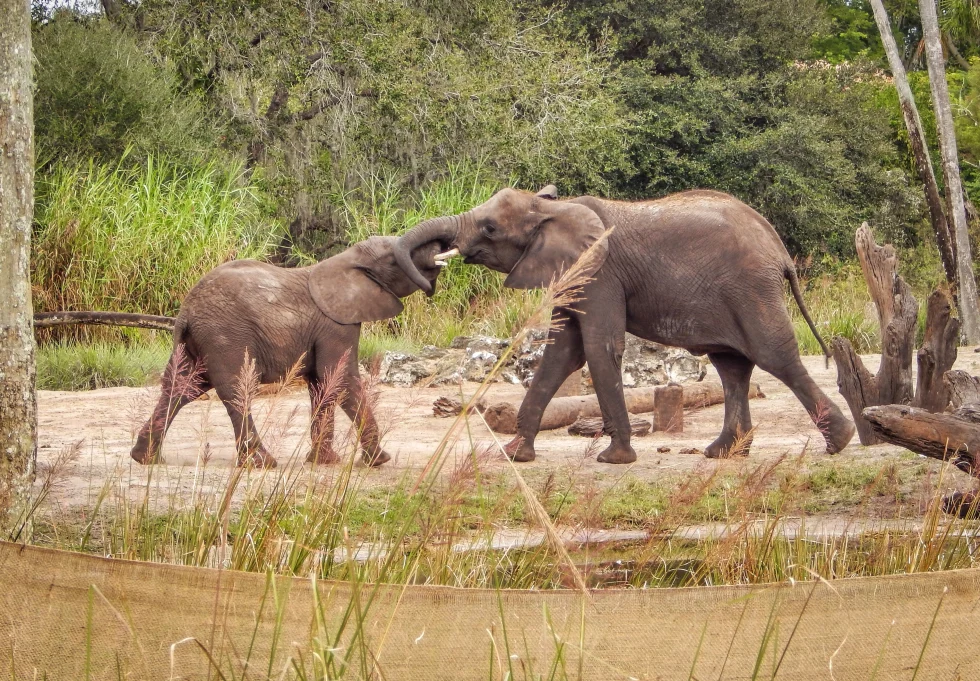
Kilimanjaro Safaris runs safari trucks through the 110-acre Harambe Wildlife Reserve, home to more than 30 species. Large animals such as elephants, white rhinos, and Ankole cattle can wander onto the two-lane route, and a single crossing can stack several vehicles behind it. The patent’s stated goal is to flag that kind of road incursion before a truck reaches it, giving dispatch time to hold or reroute vehicles.
That kind of early warning is a logistics fix, not a guest-facing gimmick. Shaving even a few minutes off a single blockage keeps the line moving and cuts the vehicle bunching that turns one slow crossing into a long wait for everyone behind it. Kilimanjaro Safaris sits inside the broader Walt Disney World resort, where a stalled ride can reshape touring plans for an entire day.
Rumor Radar
Disney has not confirmed that this system will operate at Disney’s Animal Kingdom. The patent application does not name a specific park, habitat, or launch date, and it was not filed directly under The Walt Disney Company’s name. Its three listed inventors include a Winter Garden, Florida resident living minutes from Walt Disney World, along with two California-based inventors, which is why theme park trackers linked the filing to Disney within hours of publication. A published patent application is also not a granted patent. The Patent and Trademark Office has not approved the filing, and even a granted patent does not guarantee the technology ever reaches a park.
Source: U.S. Patent and Trademark Office publication, September 24, 2026
Frequently Asked Questions
What is Disney’s new animal monitoring patent?
Disney’s new animal monitoring patent is a U.S. patent application titled “Techniques for Automatically Monitoring Animal Behaviors and Generating Notifications,” published by the Patent and Trademark Office on September 24, 2026, describing cameras and machine learning that track animal activity and send alerts.
Would the animal monitoring system be used at Kilimanjaro Safaris?
The animal monitoring patent does not name Kilimanjaro Safaris directly, but its description of vehicle-mounted cameras and road-blockage alerts closely matches the attraction’s safari trucks and dirt track at Disney’s Animal Kingdom.
What kind of alerts could the Disney patent send to guests?
The Disney patent describes alerts about active animal sightings sent to guest smartphones, tablets, and RFID wristbands such as MagicBands, separate from operational alerts sent to animal care and ride staff.
Has Disney confirmed the animal monitoring technology for Animal Kingdom?
Disney has not confirmed the animal monitoring technology for Animal Kingdom. The patent application has been published but not granted, and no habitat or launch date has been announced.
Status Brief
This animal monitoring patent describes a real, published filing, not a confirmed Animal Kingdom upgrade. The system pairs fixed cameras, vehicle-mounted sensors, and drones with a machine learning model built to flag animal behavior and route alerts to guest devices and staff consoles. The strongest operational case sits behind the scenes, where earlier warning about a blocked Kilimanjaro Safaris road could cut vehicle bunching and keep dispatch moving. OPEN’s Permits & Construction Tracker will follow whether the application is granted or tied to an announced Animal Kingdom project.
Follow the OPEN News Desk on X (Twitter) for real-time Central Florida park operations updates.